Inside Paraguay's First 100 MW Bitcoin Mining Site: Penguin Group
A site visit to one of Latin America's most technically sophisticated mining operations.


This article is part of Hashrate Index’s ongoing coverage of Bitcoin mining in Latin America. For context on Paraguay’s energy market structure and the broader competitive landscape, see The State of Bitcoin Mining in Paraguay (2026) and our recent site visit to HIVE Digital’s Yguazú campus.
The story of Bitcoin mining in Paraguay cannot be told without Penguin Group. Not because they were the first, but because they were among the handful of operators who wrote the rules from scratch, negotiated the first 100 MW PPA contracts with ANDE directly, and proved that large-scale hydro-powered mining was viable in a country where nobody had done it before.
TL;DR
- First mover, by necessity. Penguin negotiated some of Paraguay’s first 100 MW PPAs directly with ANDE and wrote the commercial terms and technical standards the rest of the industry later adopted.
- The Hernandarias campus. Penguin’s Alto Paraná flagship runs 40+ in-house-maintained distribution transformers and a mixed air-, immersion-, and hydro-cooled fleet, roughly 10 km from Itaipu’s generation.
- Mostly on LuxOS. Two machine groups totaling more than 11,000 units (≈2,919 + 8,219) run Luxor’s LuxOS firmware; the S19 XP Hydro fleet remains on Bitmain stock — a clear migration path now that LuxOS supports hydro-cooled configurations.
- Structural operating challenges. PSUs fail most often, since the grid routinely runs above their 380 V comfort range, and seasonal grid degradation (October–April) plus up to 500 hours/year of contractual ANDE curtailment force real downtime budgeting.
- Where it’s headed. Capital attention is shifting toward AI/HPC compute — active talks in the US, Taiwan, and Canada — while the 2027 Itaipu treaty expiry looms as an inflection point, with miners now accounting for roughly 60% of ANDE’s industrial electricity revenue.
The Origin
Paraguay’s reputation as a Bitcoin mining destination is built on a simple arithmetic: more hydroelectric energy than a country of eight million people can consume, priced at some of the lowest industrial rates in the world. But arithmetic alone does not build a mining operation. Someone has to show up first, negotiate contracts with a national utility that had no framework for this industry, solve engineering problems that had no precedent in the country, and build a workforce capable of maintaining a fleet of thousands of machines in tropical heat.
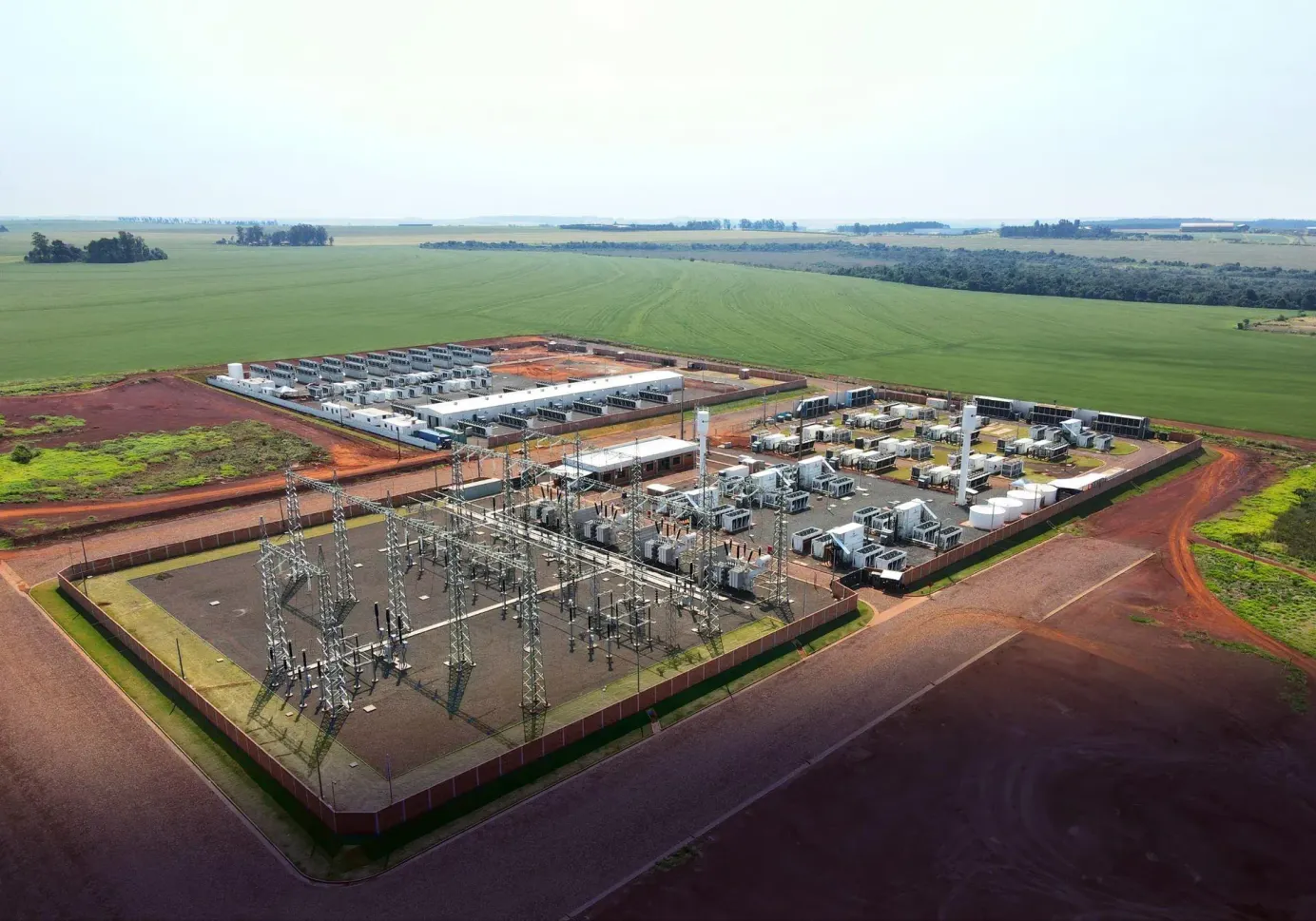
Penguin Group did that. Their primary campus at Parque Industrial Hernandarias, located in the department of Alto Paraná roughly 300 kilometers east of Asunción, was among the first large-scale Bitcoin mining operations in Paraguay and remains one of the most technically sophisticated facilities in the region.
What follows is a ground-level account of what that infrastructure looks like today, how it was built, and where it is headed.
The Physical Infrastructure
Hernandarias sits inside Parque Industrial Hernandarias, a dedicated industrial zone in Alto Paraná that has become one of the primary addresses for large-scale mining in Paraguay. The Penguin campus has grown substantially since its initial buildout. The first site covered 20 hectares. The company subsequently acquired additional land, and the full campus now encompasses considerably more.
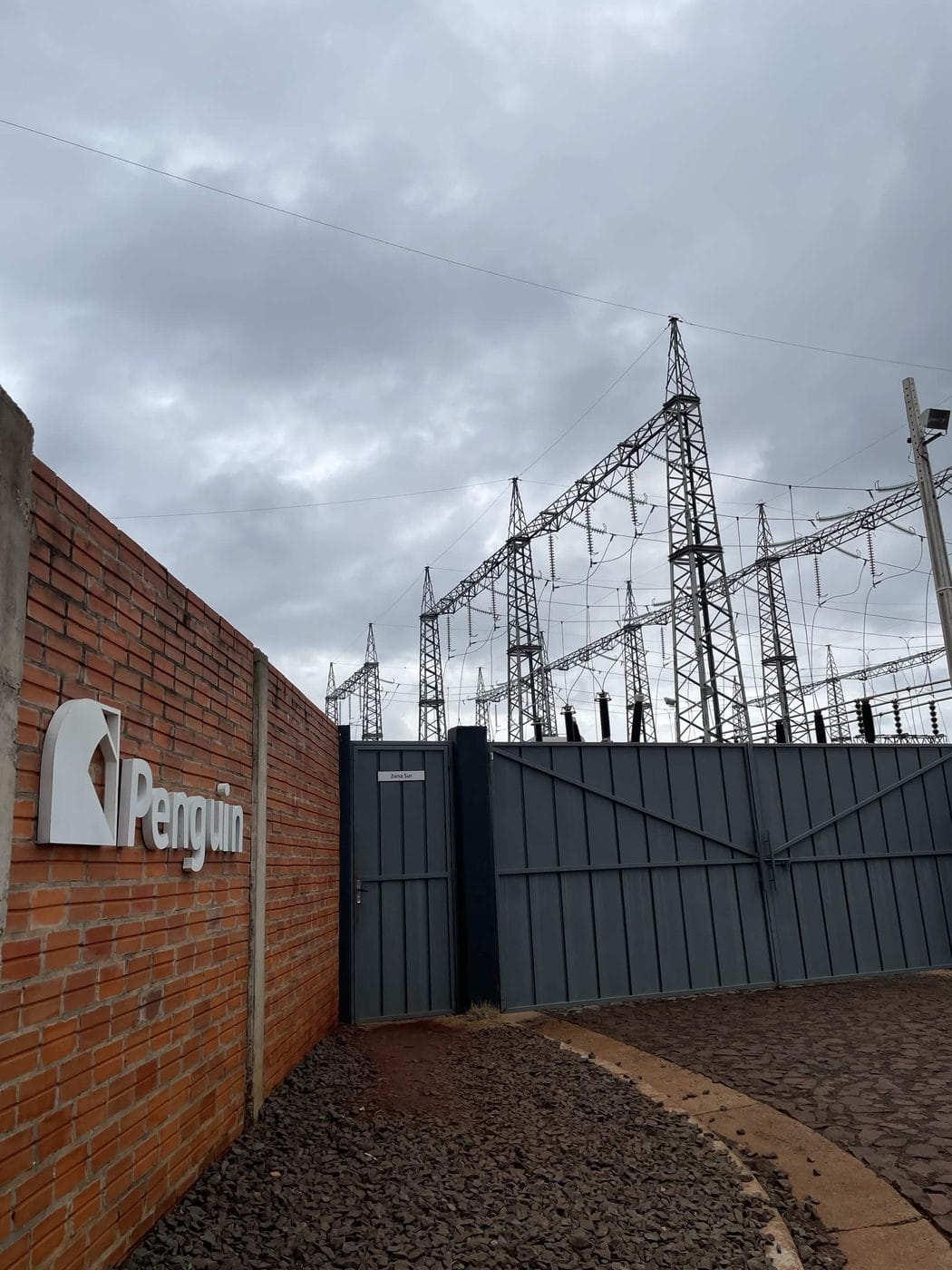
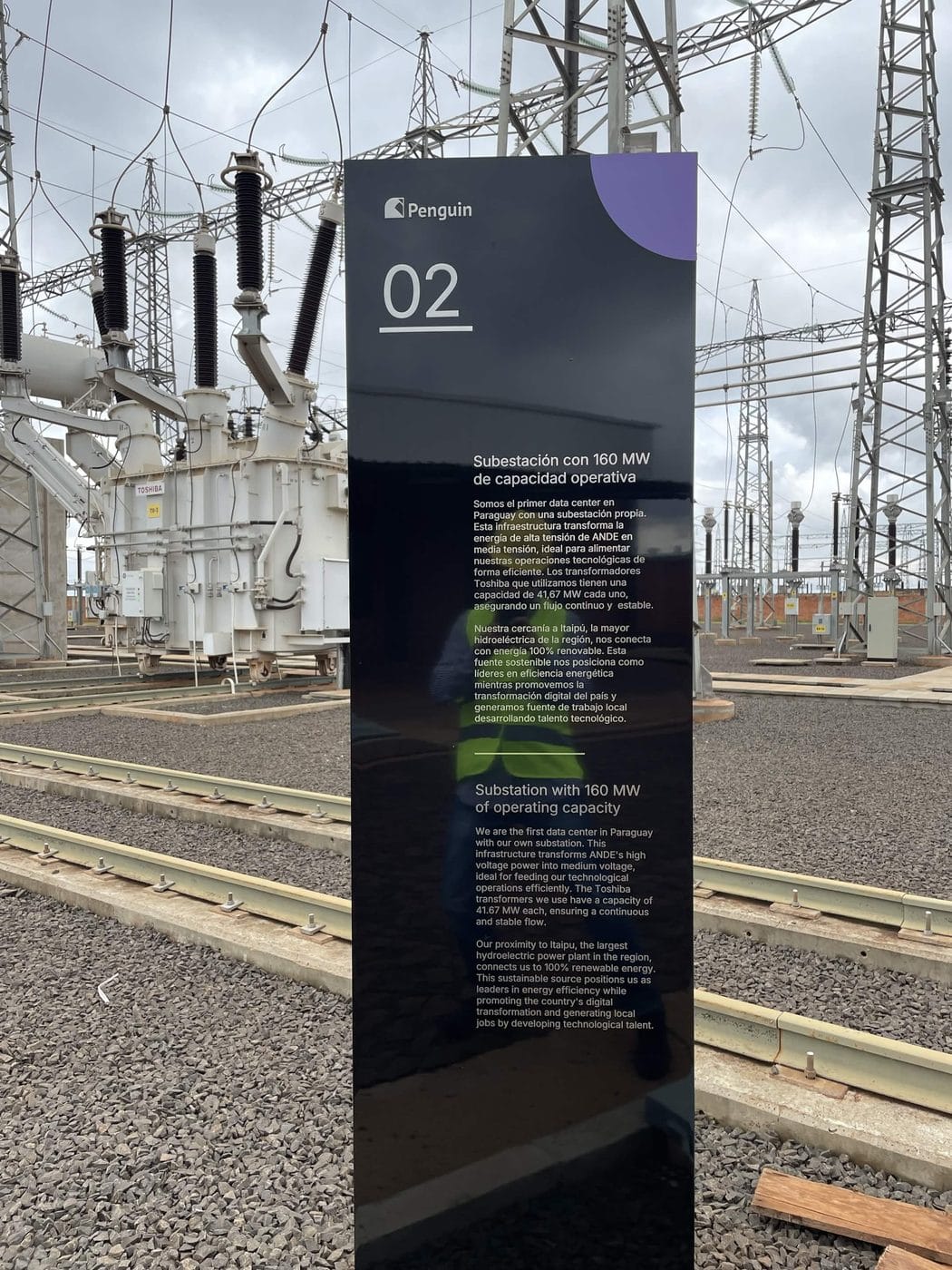
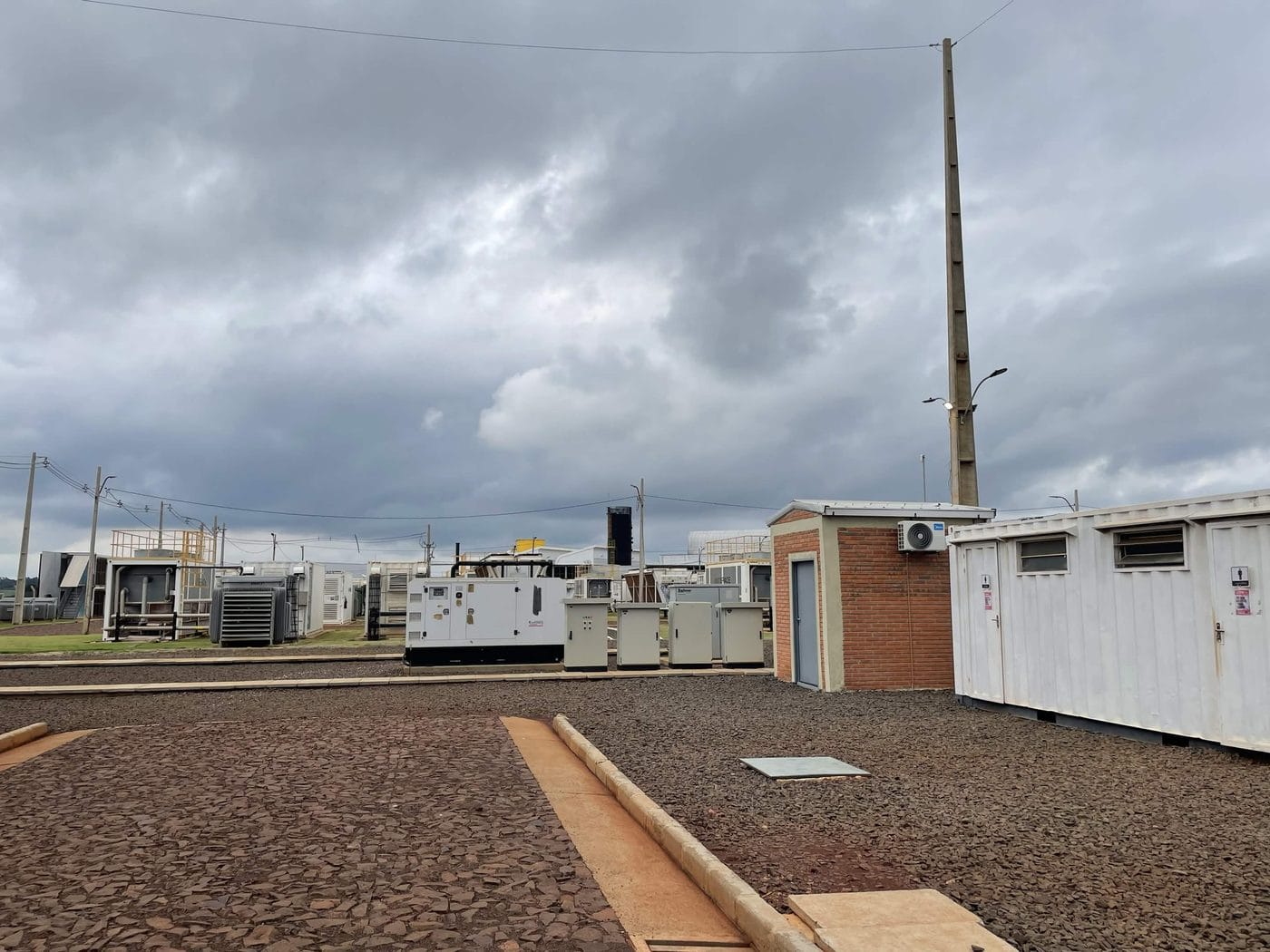
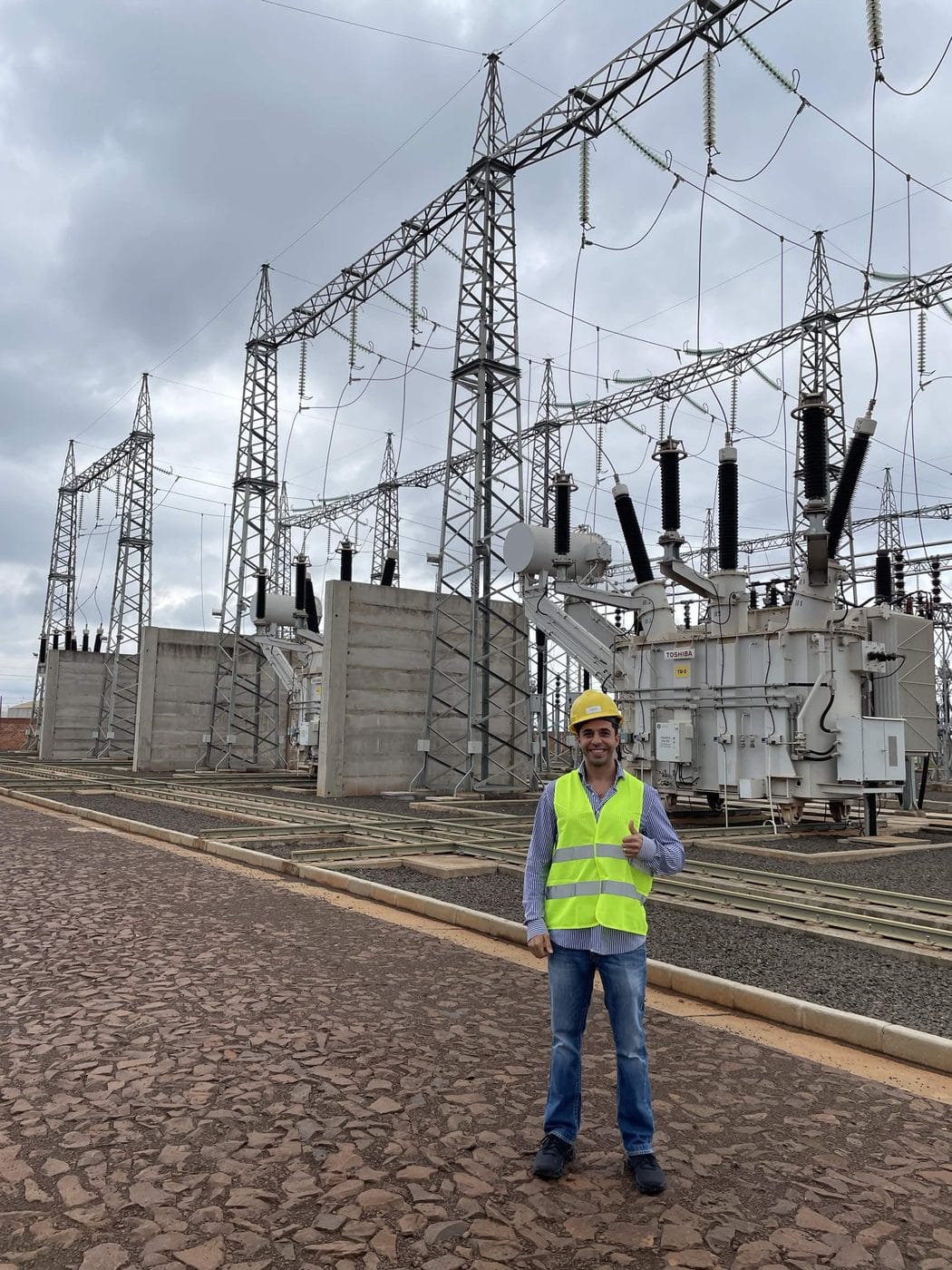
The electrical infrastructure reflects the scale of the operation. Penguin operates more than 40 distribution transformers on-site, each equipped with real-time sensors monitoring hydrogen levels, temperature, and pressure. Operations and maintenance are handled entirely in-house, including thermovacuum cycles performed on each transformer every six months.
The original equipment selection followed ANDE’s technical standards, with General Electric as the primary supplier. In 2025 the company introduced a single Chinese transformer rated at 2,700 kVA as a pilot to evaluate quality and lifespan under Paraguayan operating conditions. The result of that pilot will inform future procurement decisions as the campus continues to expand.
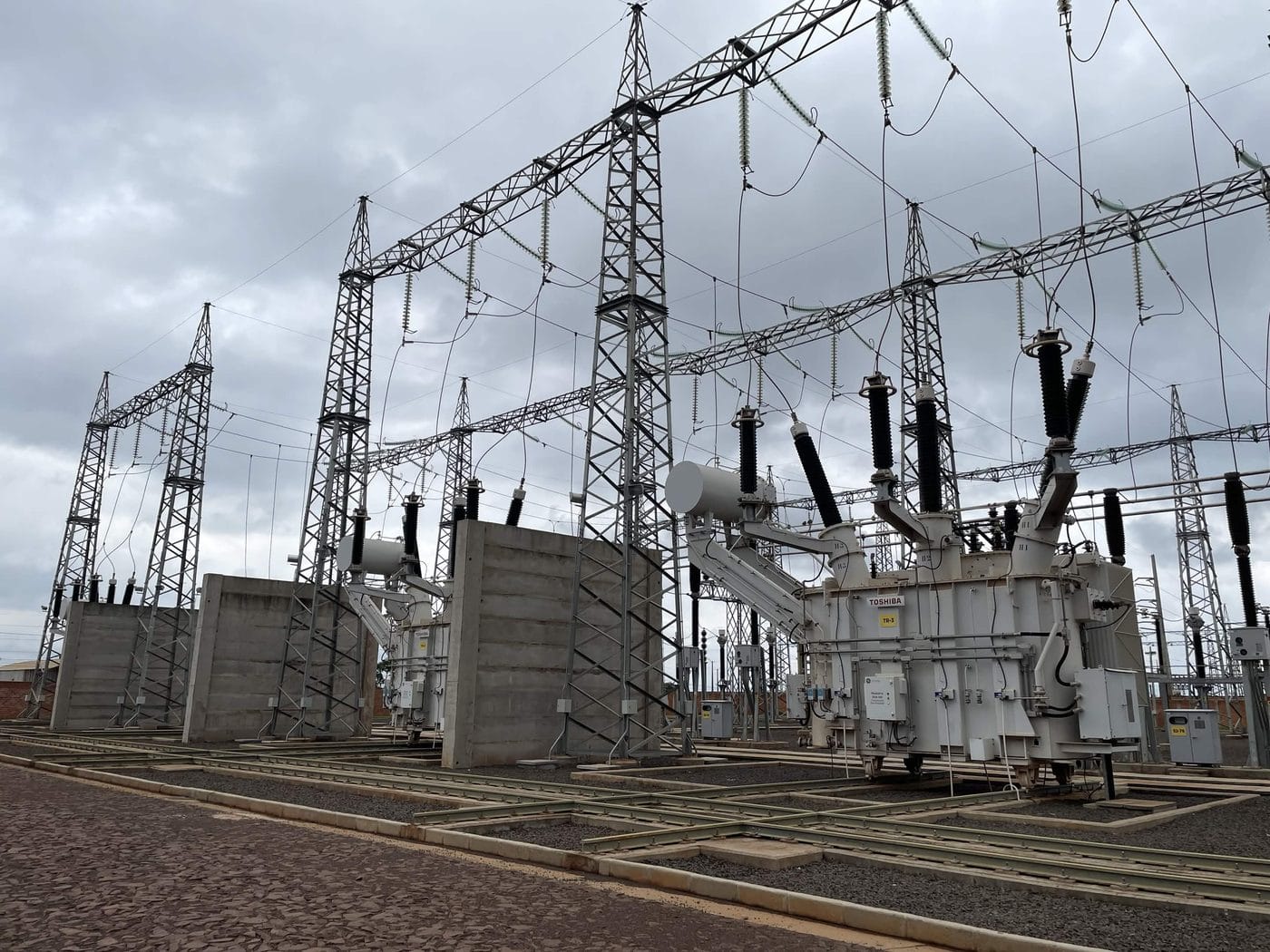
The site draws power from Paraguay’s national interconnected system (SIN), which is fed primarily by the three major hydroelectric plants: Itaipu Binacional, Entidad Binacional Yacyretá, and Central Hidroeléctrica Acaray. The Hernandarias campus is located approximately 10 kilometers from Itaipu’s generation infrastructure, with roughly 16 to 17 kilometers of transmission routing to the site. That proximity to the source is not incidental. It reduces transmission losses and places the facility well within the stable delivery zone of the country’s most reliable generation asset.
The Fleet Architecture
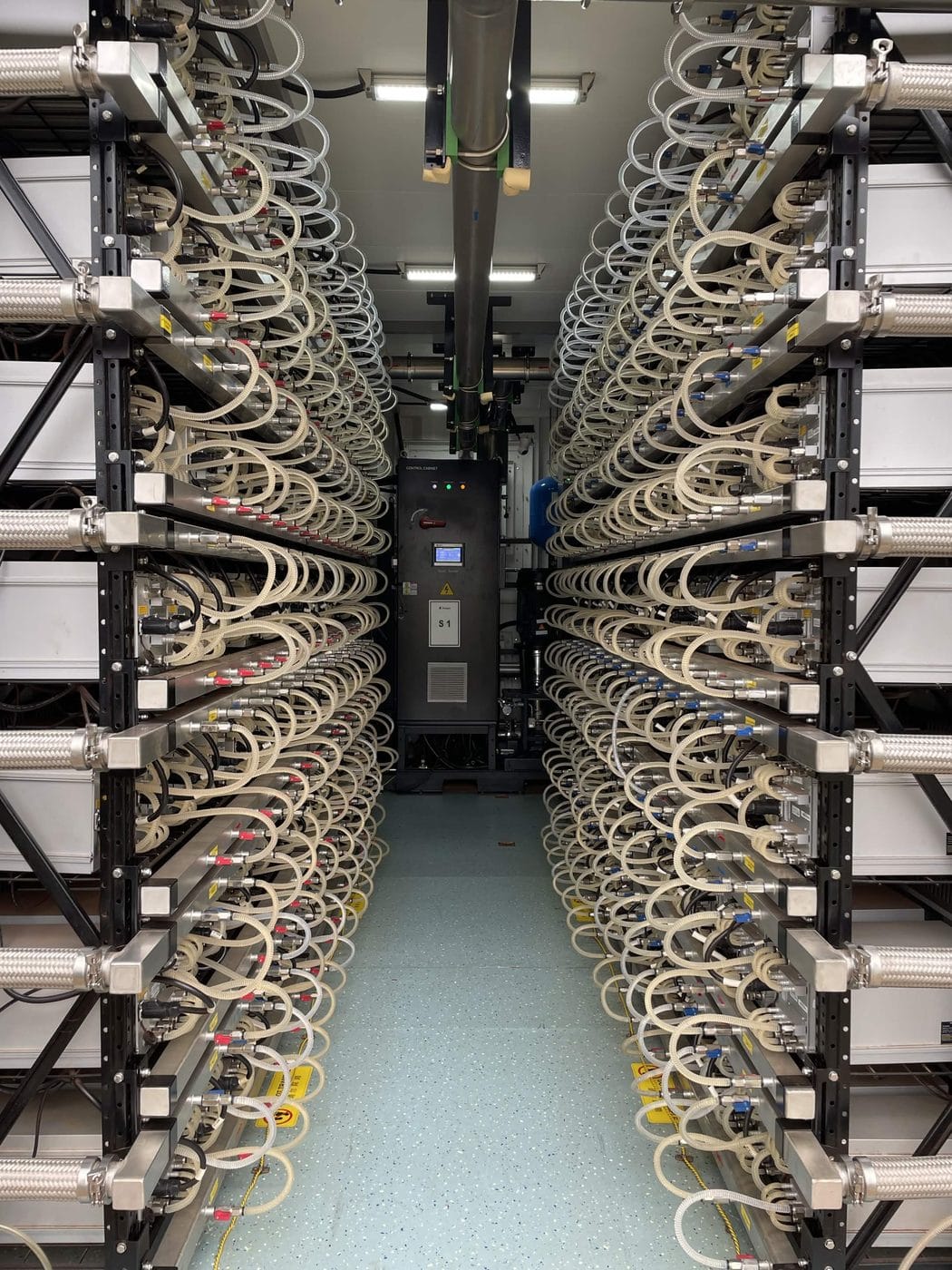
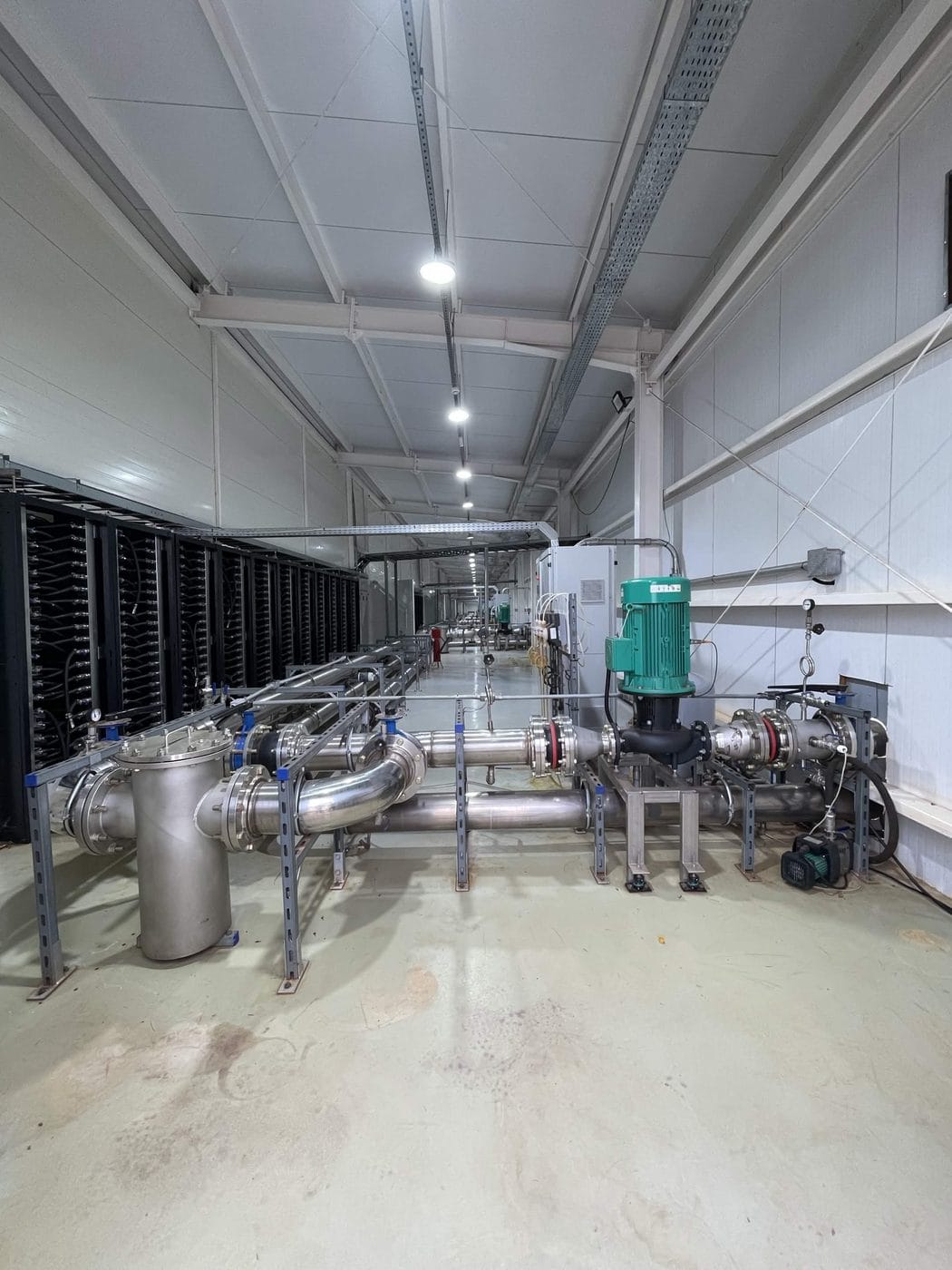
Penguin runs a mixed fleet across several cooling configurations. The facility operates both air-cooled galeras — large purpose-built structures housing racks of machines with forced-air management — and immersion-cooled and hydro-cooled sections, the latter arriving through successive capital investments as the economics of newer machine generations shifted toward liquid cooling.
The firmware architecture reflects the incremental nature of the buildout. Two of the major machine groups on-site, encompassing approximately 2,919 machines in one deployment and 8,219 in another, run LuxOS firmware. Because LuxOS is pool-agnostic — operators can run it while pointing hashrate at any pool — these figures reflect the full on-site fleet across all pools Penguin uses, not just the machines directed at Luxor's pool. A third group, the S19 XP Hydro fleet, remains on Bitmain's stock firmware. The reason is timing: when those hydro-cooled machines were installed, LuxOS did not yet support the hydro-cooled configuration; that support has since been added.
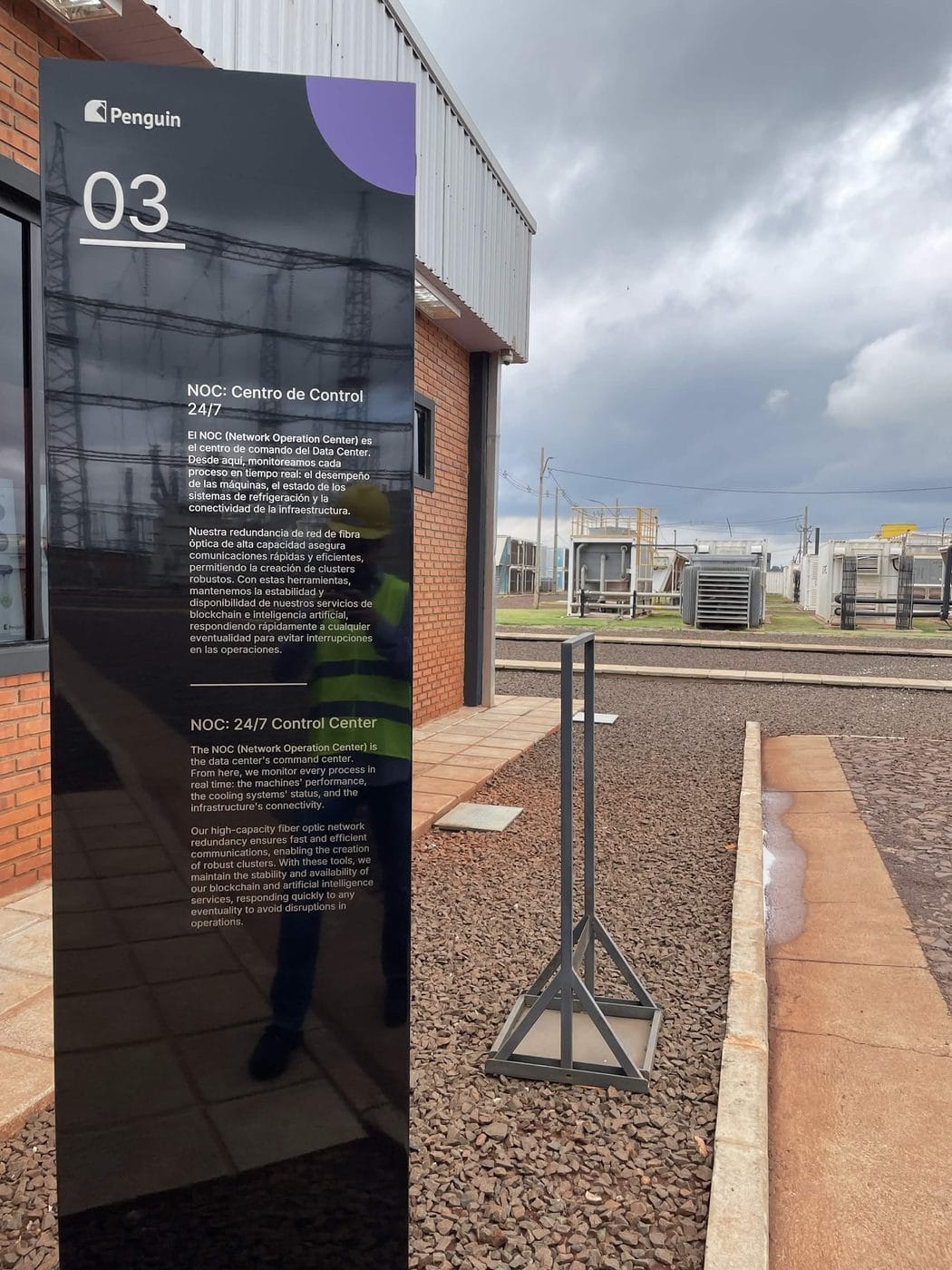
For mine management software, Penguin’s base layer is Foreman, but the team has built a proprietary integration layer on top. It connects the site’s SCADA system, Foreman, and the transformer and machine sensor data into a unified control interface. It captures machine-level data every minute and triggers three-second saves for alert conditions. It functions, in effect, as a custom operational intelligence layer that the team built to fill gaps that off-the-shelf software did not address for an operation of this complexity.
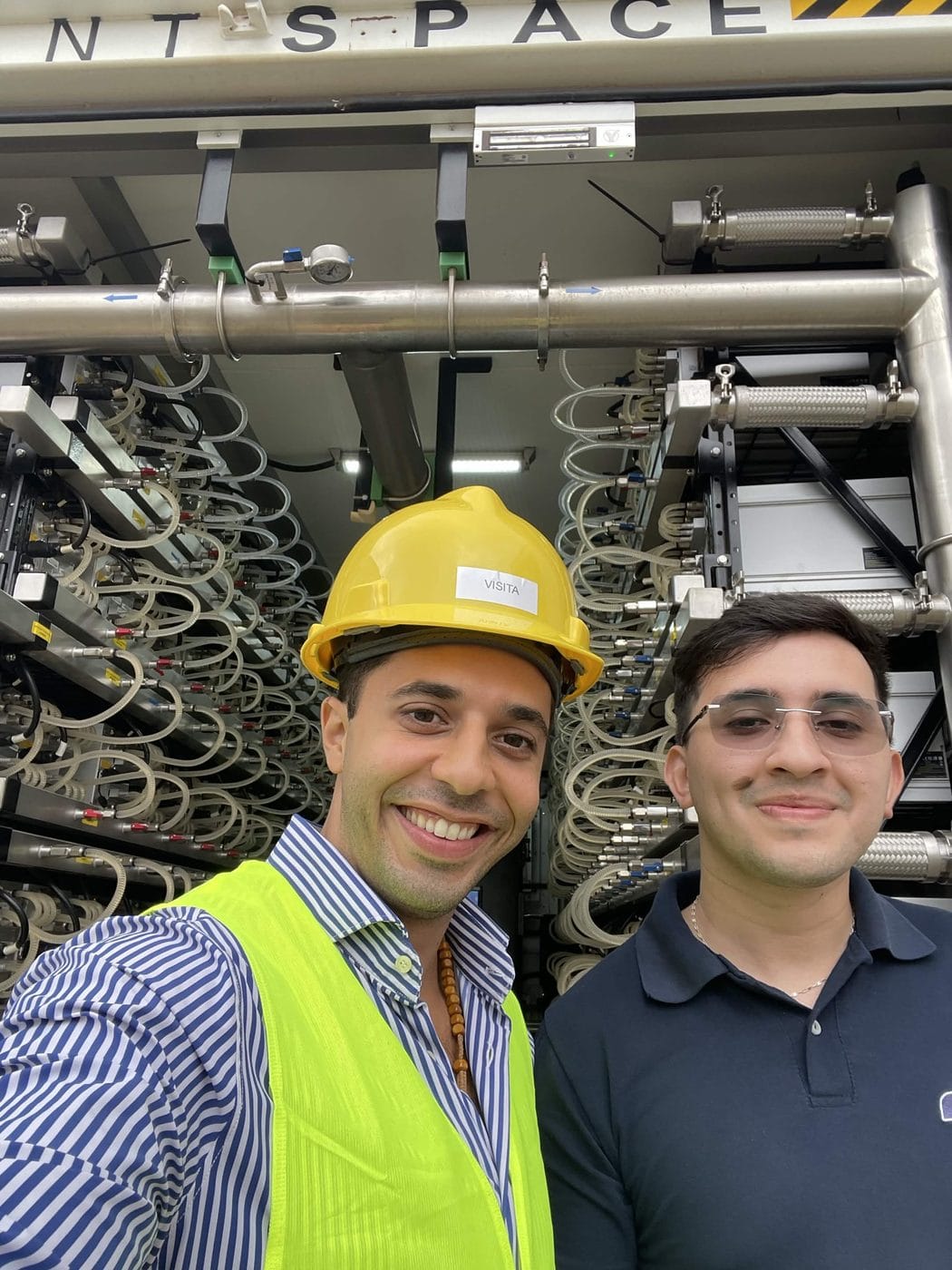
The immersion section of the campus houses a deployment running inside an FBOX container. There’s multiple institutional-quality hosted clients at Hernandarias reflecting both the site’s operational credibility and the demand for third-party hosting in Paraguay’s energy market.
The immersion section reports a Power Usage Effectiveness (PUE) of 1.08. That is a strong number for immersion-cooled infrastructure, indicating that nearly all electricity drawn to the campus is going into compute rather than facility overhead.
Operational Realities: Voltage, Heat, and the Summer Problem
Paraguay’s tropical climate and the characteristics of ANDE’s grid create two recurring operational challenges at Hernandarias, and understanding them is important for anyone evaluating the country as a mining jurisdiction.
The first is power supply unit (PSU) failure rates among mining machines. Penguin’s team reports that MicroBT PSUs show the highest failure rate on-site, and the root cause is voltage. MicroBT’s power supply units are designed to operate in a range of 380 to 420 volts, but sustained operation above 380 volts degrades internal components over time. Paraguay’s grid regularly delivers in that upper range. Because the MicroBT machines are out of warranty, all repairs are handled in-house. Penguin's engineering team has developed a repair workflow that absorbs this maintenance load, but it remains an ongoing cost. The team notes this is not a Penguin-specific issue: it is a shared problem among MicroBT operators across Paraguay.
The second challenge is seasonal energy quality. From October through April, Paraguay’s grid experiences its peak heat period. ANDE’s delivery quality degrades during these months, and the window from January through April is when grid events are most likely to affect mining operations. Combined with the contractual curtailment provision, which allows ANDE to request up to 500 hours of load reduction per year, this means that operators planning annual performance budgets need to account for meaningful downtime windows. Penguin’s team manages water consumption for the hydro-cooled fleet as an additional operational variable during these periods.
None of this is unique to Penguin. The conditions are structural to the Paraguayan market. Penguin’s willingness to discuss them directly is itself a signal of operational maturity: operators who have been through multiple annual cycles know what the challenges are and have built processes around them.
The Founding Story
Penguin did not arrive in Paraguay as a mining company. It arrived as an education project.
Bjorn, one of the German co-founders, came to Paraguay around 2019 with roughly $100,000 in donations and a goal to teach programming to indigenous communities. He had met his Paraguayan co-founders through a coincidental airport encounter years earlier. What began as a non-profit education academy ran for nearly two and a half years before the team decided they needed a sustainable business model to fund it.
Niklas Leck, the other co-founder, had capital from a prior startup exit. His thesis was simple: Paraguay had far more energy than it was using, and something needed to be built with it. Bitcoin mining was the answer the team landed on. The first contracts with ANDE were negotiated with no existing framework to reference. The early operators, Penguin among them, wrote the commercial terms and technical standards that the entire industry subsequently adopted.
The engineering infrastructure at Hernandarias was built largely by a young engineer from Villarrica named Christian, who had started his career repairing mobile phones and graduated through self-directed learning to GPU mining and eventually to designing and building the data center itself. The story of Christian’s ascent became a marker for what would become a notable feature of Penguin’s culture: a preference for developing local talent rather than importing expertise from outside.
Bruno Vaccotti, Penguin’s first Paraguayan hire and its principal public affairs officer for nearly four years before departing in December 2024, described an episode that captured this dynamic clearly. The company had brought in a senior infrastructure engineer from a Gigafactory in the United States to oversee construction. Within three months, the engineer submitted his resignation. He told the company, as Bruno later recounted, that the local engineer was doing all of the work and doing it well, and that continuing to occupy the role would not be honest. Christian has since taken on senior technical leadership at another major Bitcoin infrastructure company.
Leadership at Penguin today is held by Karina von Eckartsberg, who serves as CEO, alongside Niklas Leck, the co-founder. Luxor interviewed Karina, and asked her what does operational discipline look like at Penguin's scale, and what does she think outside capital or new entrants consistently underestimate about running a facility like Hernandarias in Paraguay?
"Operational discipline at this scale is not just a system, it is a team. Since 2021, we have built our processes around the people who run Hernandarias every day: engineers and technicians who understand the site, the grid, and its seasonal behavior from the inside. That local knowledge is something no spec sheet can fully capture.
What outside capital often underestimates is that reliability is not bought with equipment alone. It is earned by investing in local talent, building repeatable processes, and trusting teams to solve problems no manual can anticipate. That foundation makes us proud and gives us the confidence to explore new infrastructure categories." - Karina von Eckartsberg.
The Energy Market Context
The economics that enable Penguin’s operations are a function of Paraguay’s extraordinary structural energy surplus. Itaipu, the binational hydroelectric plant shared with Brazil, generates approximately 14,000 megawatts at a long-run average cost below $20 per megawatt-hour. Paraguay’s domestic demand absorbs perhaps a third of its contractual share. The remainder is either sold to Brazil under a long-standing bilateral agreement or goes unused.
The terms of that bilateral arrangement have been a source of sustained frustration within the mining industry. Paraguay sells its surplus to Brazil at approximately $18 per megawatt-hour, a figure that sits below the weighted average of Paraguay’s own generation portfolio, which blends Itaipu at around $19, Yacyretá at $23, and the smaller Acaray plant at $21 to arrive at a blended cost near $22. Industrial electricity consumers in Paraguay, including mining operators, pay substantially more than Brazil pays under that arrangement.
The result is a market structure where the country’s most significant infrastructure buyer pays below Paraguay’s cost of supply, while domestic industrial users pay multiples of that rate. Multiple parties have raised this asymmetry publicly, and the 2027 expiration of the current Itaipu treaty framework with Brazil is widely understood within the industry as a potential inflection point. Whether that inflection produces better terms for domestic industrial consumers or simply reprices the surplus under a new bilateral agreement remains to be seen. The mining industry’s position in that negotiation is not insignificant: by multiple estimates, mining operators now account for roughly 60 percent of ANDE’s industrial electricity revenues.
The Expansion Horizon
Penguin’s near-term capital attention has turned toward Artificial Intelligence (AI) infrastructure. The company is in conversations with multiple US-based technology companies about bringing AI compute workloads to Paraguay. A Taiwanese government delegation visited the country earlier this year, with Niklas Leck participating in those discussions directly. A separate engagement in Canada, where certain energy conditions offer attractive economics for compute infrastructure, is also under evaluation.
The hardware base at Hernandarias will likely see renewal in the coming period. Penguin has hosted relationships with clients running older-generation Bitmain equipment, and the company is evaluating how those arrangements evolve as the economics of mining with earlier-series machines shift. The fbox immersion container format, first deployed at Hernandarias in what appears to have been one of the early large deployments of that product in the region, offers a modular template for how new compute workloads could be added without requiring full facility reconstruction.
The broader trajectory within Paraguay is toward higher capital intensity and longer infrastructure time horizons. The operators who have already built at scale, Penguin and HIVE Digital among them, carry the engineering depth and regulatory familiarity that newer entrants will need years to develop. That accumulated knowledge base is increasingly the relevant competitive variable as the country approaches and begins to exceed one gigawatt of installed mining capacity.
A Regional Reference Point
One of the consistent themes in conversations with Paraguay’s more established operators is that the country’s proof of concept has implications beyond its borders. Paraguay is not the largest Bitcoin mining jurisdiction in the world, and its energy surplus, while substantial, is bounded. But what it has demonstrated is that a country with significant hydroelectric capacity and minimal existing industrial demand for that power can build a functioning large-scale mining industry in a short period of time, with local labor, local engineering talent, and a regulatory framework developed collaboratively between the industry and the state.
That model is legible to other jurisdictions facing analogous conditions. It is legible to regulators and policymakers who need examples to point to. And it is legible to the mining companies evaluating those jurisdictions, because it shows what the path from zero to hundreds of megawatts actually required.
Penguin was not the only company that built that path in Paraguay. But it was among the first, and the infrastructure at Hernandarias is a concrete record of what that required.
Hashrate Index visited Penguin Group’s Hernandarias facility in late May 2026. This article draws on the site visit, technical briefings with Penguin’s infrastructure team, and separate conversations with current and former members of the company’s leadership.
— Happy Hashing!
About Luxor Technology Corporation
Luxor delivers hardware, software, and financial services that power the global compute and energy industry. Its product suite spans Bitcoin Mining Pools, ASIC Firmware, Hardware trading, Hashrate Derivatives, Energy services, a Miner Management software, Commander, and a bitcoin mining data platform, Hashrate Index.
Disclaimer
This content is for informational purposes only, you should not construe any such information or other material as legal, investment, financial, or other advice.


Hashrate Index Newsletter
Join the newsletter to receive the latest updates in your inbox.