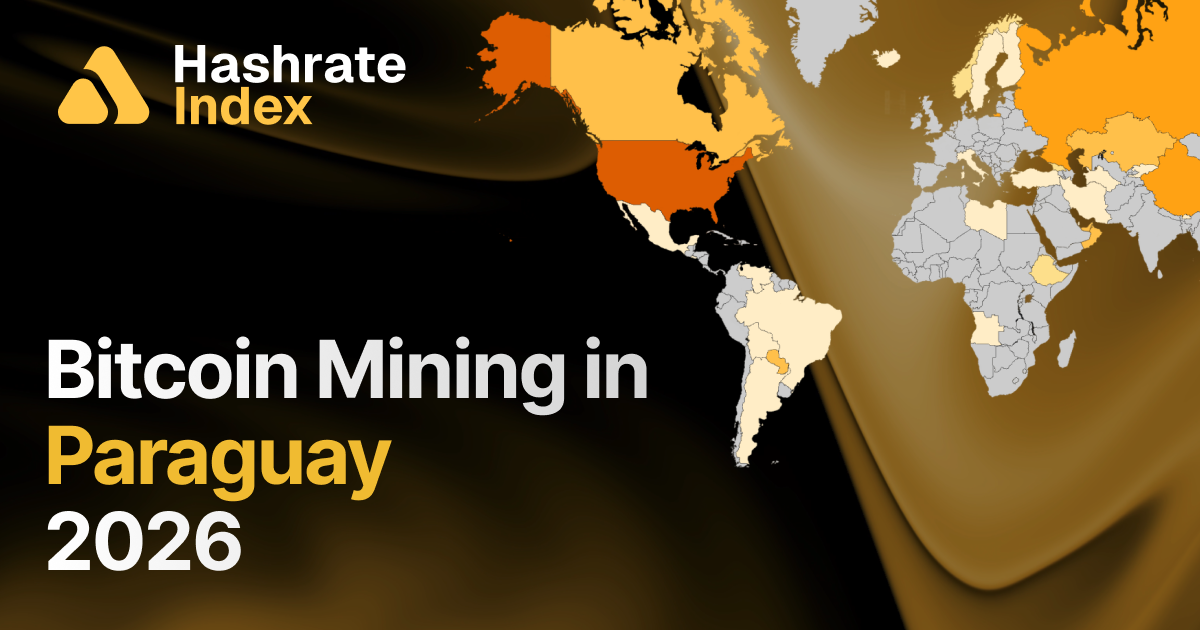
The State of Bitcoin Mining in Paraguay (2026)
The 4th largest Bitcoin mining jurisdiction in the world.



This article is part of Hashrate Index's State of Bitcoin Mining in Latin America series.
TLDR
- Paraguay holds ~4.3% of global hashrate, powered by a structural hydro surplus from Itaipu, Yacyreta, and Acaray — but power costs have roughly doubled from the early $0.03/kWh days, and steep deposit requirements have forced out undercapitalized operators.
- The market has bifurcated into large global players like HIVE Digital, Penguin, Group and Alps, and other mid-market operators reliant on medium-tension connections — many of whom already have or are in the process of exiting the Paraguayan mining market.
- A December 31, 2027 ANDE contract expiration cliff is the defining variable: operators with deep local integration and high-tension infrastructure hold the strongest hand in renewal negotiations, while Venezuela's emerging hydro potential emerges as a potential long-term competitor to Paraguay.
Paraguay's Bitcoin mining narrative usually starts with a single asset: the Itaipu Dam. But to understand the country's unprecedented energy surplus, we have to look at its full generation matrix.
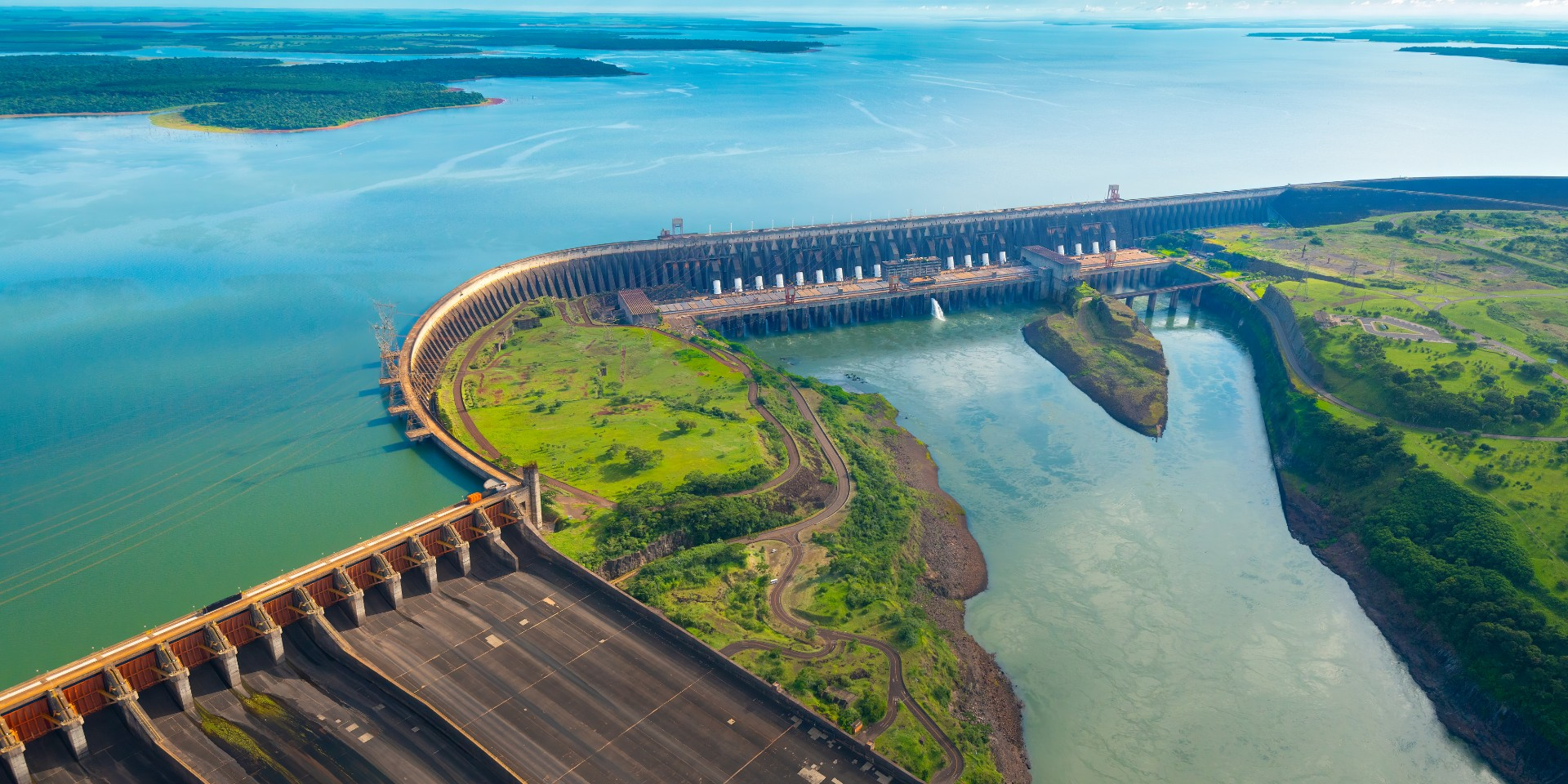
Paraguay's electrical grid runs on 100% renewable energy, anchored by a triad of massive hydroelectric plants. The crown jewel is Itaipu, an engineering marvel on the Parana River with 14,000 MW of total installed capacity. Paraguay's 50% treaty share (7,000 MW) alone supplies roughly 86% of the country's total electricity demand.
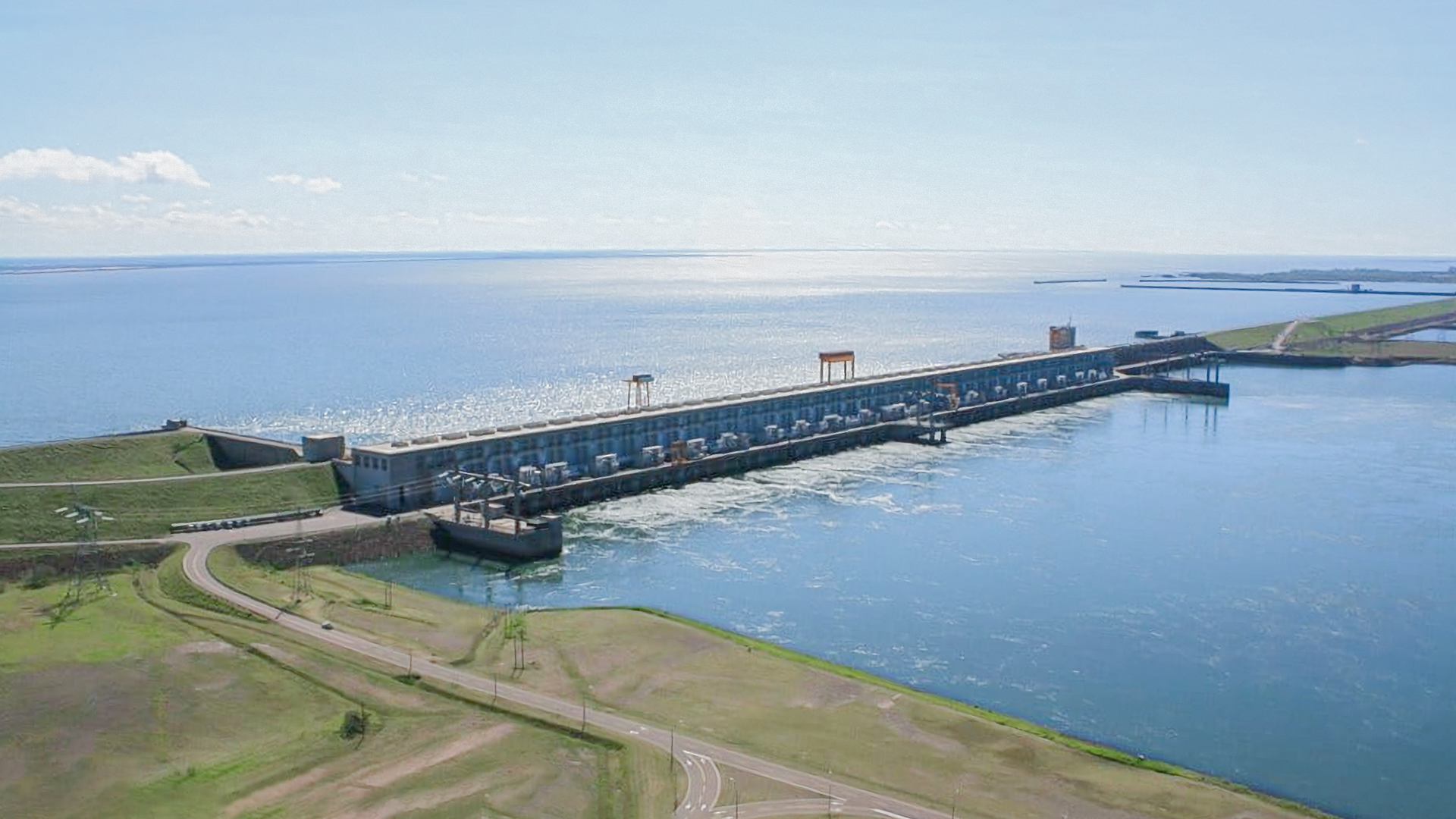
But Itaipu does not work alone. Further down the Parana River sits Yacyreta, a dam shared with Argentina that adds another 1,600 MW of capacity for Paraguay.
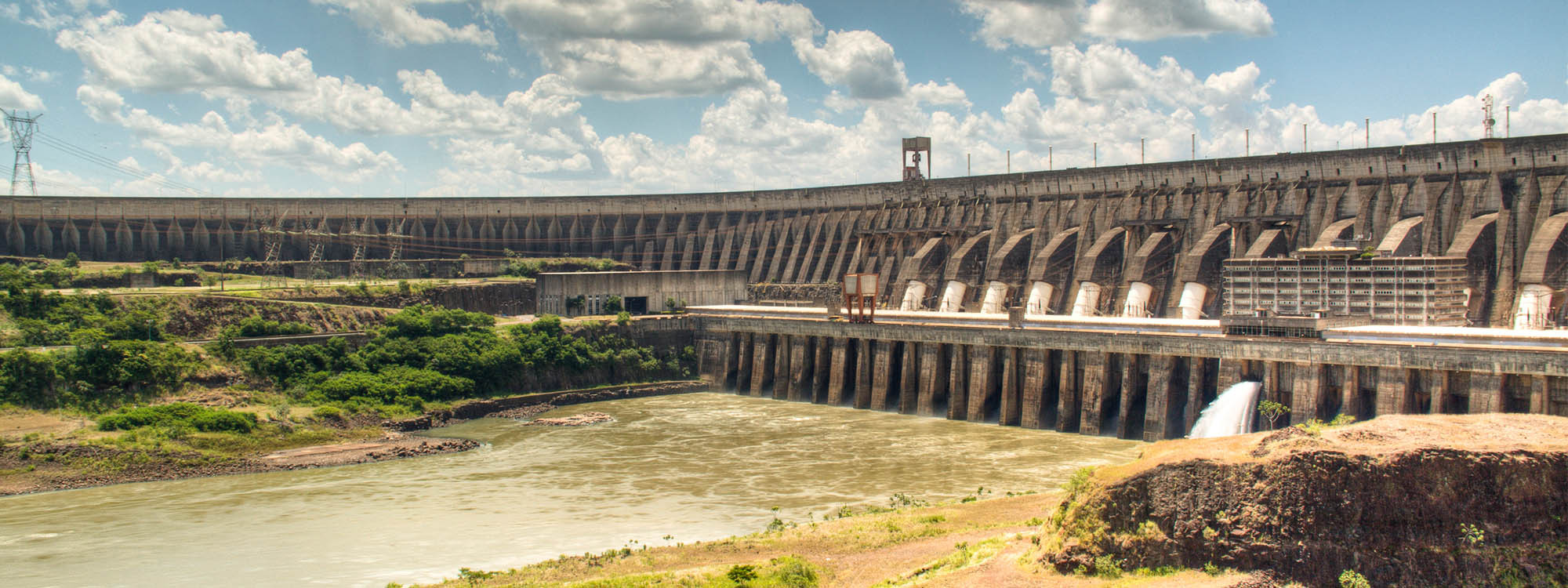
Rounding out the matrix is the Acaray Dam, a 210 MW facility that is 100% nationally owned and operated.
Together, these three plants generate a structural baseload surplus that dwarfs the country's actual consumption. Paraguay, a nation of 7 million people, only consumes a fraction of the electricity it produces. That physical reality turned this landlocked South American country into a global Bitcoin mining heavyweight, commanding roughly 4.3% of global hashrate (~43 EH/s) as of Q2 2026.
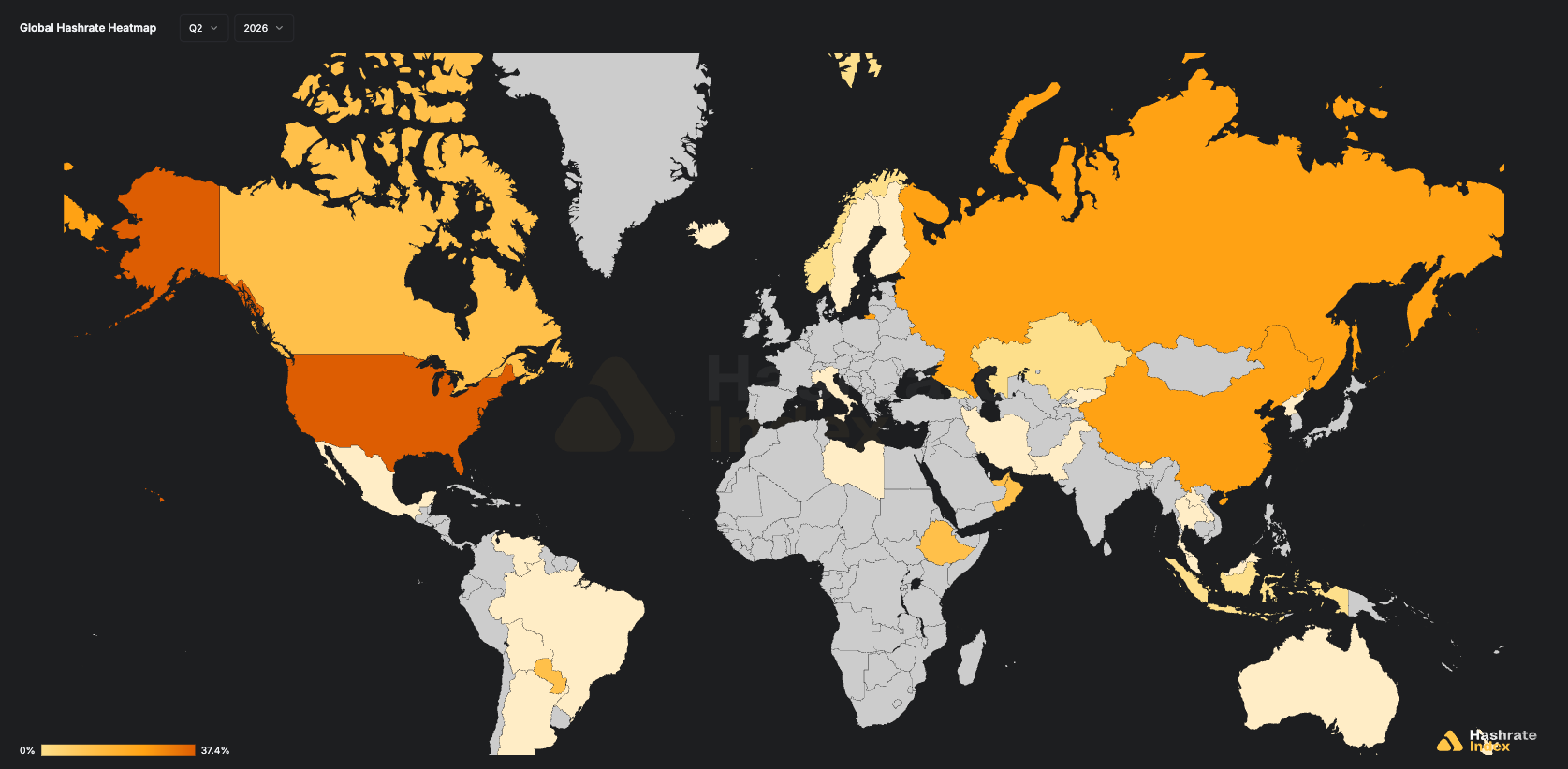
In 2021-2022, Paraguay was the promised land for miners. Industrial electricity could be secured for around $0.03/kWh. But as miners flooded across the border, the reality of operating under a single state-owned utility monopoly began to complicate the math.
Today, Paraguay is a market of diverging realities. For well-capitalized institutional miners building massive high-tension infrastructure, it remains a premier global hub. For mid-tier operators reliant on medium-tension connections, it has become a regulatory gauntlet of tariff hikes, steep financial guarantees, and existential contract uncertainty.
Here is an honest look at the economics, the perspective of different operators, and the impending 2027 horizon that will define the future of Bitcoin mining in Paraguay.
The Reality Check: Tariffs and ANDE
The honeymoon phase of Paraguayan mining ended when the operator of Paraguay's national electricity grid, Administración Nacional de Electricidad (ANDE) began to add an additional electricity tariff on bitcoin miners, despite miners buying power at prices higher than what Paraguay can get by selling at around cost back to Brazil.
The regulatory response was swift and heavy-handed. The government established specific categories for intensive industrial consumers (GCIE), legally recognizing the industry but drastically altering the unit economics.
The creeping cost of power
- Base Rate Hike: Medium-tension rates jumped from the original ~$0.03/kWh to $0.051/kWh, and recently pushed closer to $0.06/kWh.
- Network Loss Factor: Paraguay's grid is largely aerial, not underground. In a country that regularly hits 40°C+, thermal dissipation is a real issue. Operators report roughly an 8% network loss at the substation level, effectively consuming 100 MW but paying for 108 MW.
- Guarantee Deposits: ANDE recently implemented a deposit requirement of three months of energy costs paid upfront. For a 40 MW operator, that translates to approximately $4.5 million in capital that must be reserved before operations begin.
These frictions forced the market to bifurcate. Those who could not stomach the deposit or the rate hikes went bankrupt or left. Those who stayed had to choose: build massive, expensive high-tension substations to secure lower rates, or exit the country entirely.
Operator Perspectives
Alps: The European Pioneer That Has Navigated Several LATAM Markets
Italy-based Alps (formerly Alps Blockchain), co-founded by CEO Francesco Buffa and CFO Francesca Failoni, is one of Europe's premier Bitcoin mining and data center operators. Entering the Paraguayan market in 2021, Alps brought serious capital and operational expertise to the region. The company invested roughly 40 million euros to scale operations to 40 MW across ten distributed sites, building tangible infrastructure, partnering with local entities, and creating meaningful local employment.
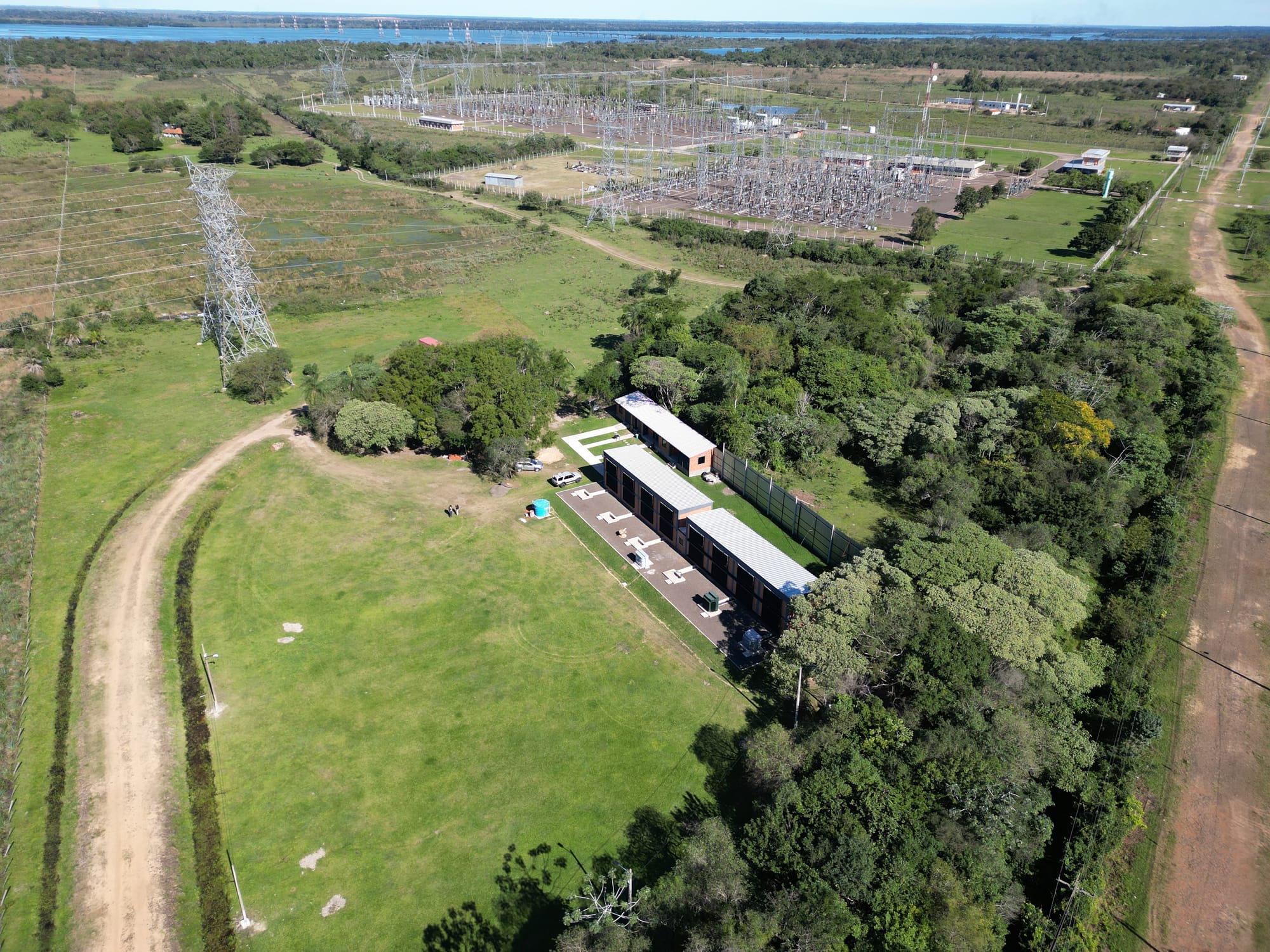
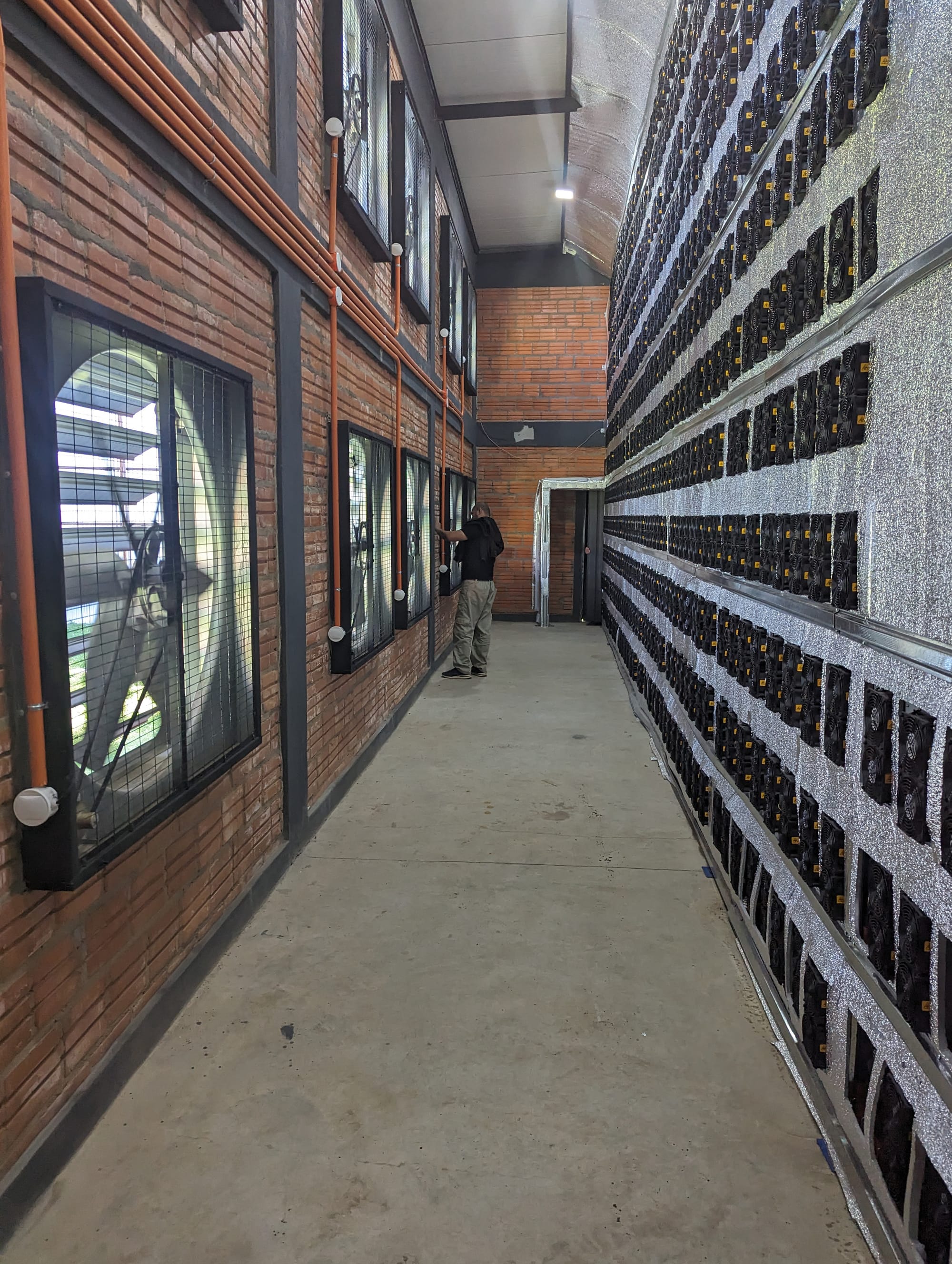
However, the shifting goalposts in Paraguay fundamentally altered the ROI calculation. Compounding tariff hikes, retroactive guarantee deposits, and the looming December 31, 2027, contract expiration cliff introduced a level of sovereign and regulatory risk that is difficult for institutional capital to underwrite.
As a result, Alps is logically assessing the broader Latin American landscape. Capital flows where it is treated best, and Alps is now redirecting operational expertise toward Bolivia, where the government is actively incentivizing foreign investment to help solve domestic dollar-liquidity constraints, and positioning itself as a first mover in emerging, energy-rich markets like Venezuela as regulatory frameworks continue to open.
For Paraguay, the pivot of a major European operator is a quiet but powerful warning: the Itaipu energy surplus alone is not enough to keep global capital captive.
Penguin Group: The Local Champion
If Alps represents what global capital looks like when it evaluates Paraguay purely on financial returns, Penguin Group represents the opposite thesis: deep local integration built over years, creating compounding advantages that foreign capital cannot quickly replicate.
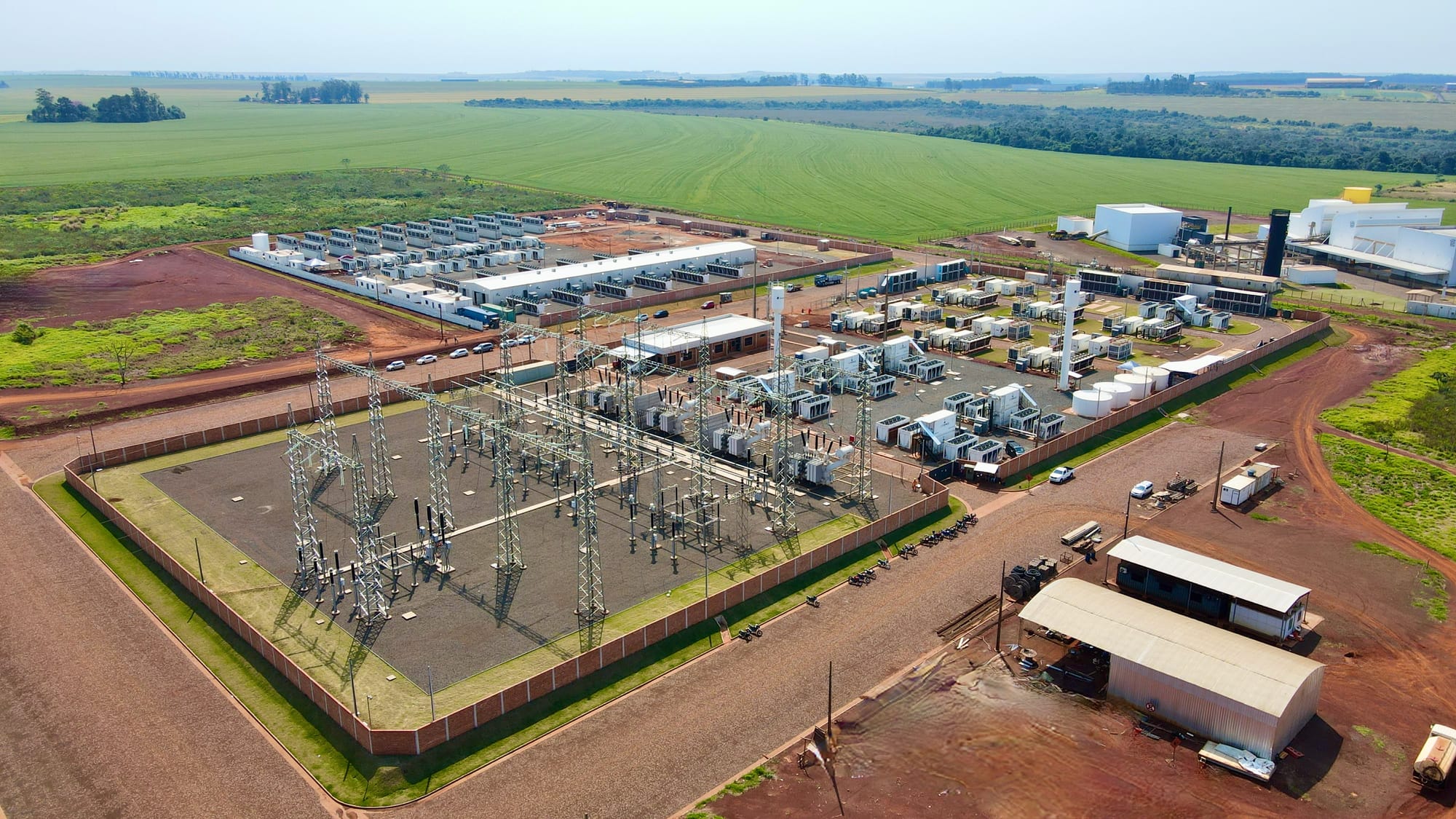
Penguin started in Paraguay in 2019 with educational programs through Penguin Academy, building strong local relationships before a single machine was deployed. The company traces its roots to Swiss software engineering, and when it identified the Itaipu surplus opportunity, it concluded that Bitcoin mining was the fastest and smartest way to bring value to it. After an initial fundraising round under the vision of 'transforming energy into human potential,' Penguin built a 6 MW pilot facility in Villarrica. That success led to signing Paraguay's first 100 MW power purchase agreement and building the country's first private high-tension substation in direct collaboration with ANDE.
"From the very beginning we worked hand-in-hand with ANDE. We were the first company to actively put forward the value of Bitcoin mining as a flexible load balancer for the grid. That early collaboration built a foundation of trust. Today we continue that same close dialogue with ANDE, now focused on bringing large-scale AI compute to Paraguay."
— Niklas Leck Co-founder & Co-CEO
By 2022, Penguin was a genuinely Paraguayan company, with majority Paraguayan board members, executives, and employees, and significant Paraguayan shareholding. That local structure is not just optics. It means Penguin navigates the ANDE relationship differently than any foreign operator can.
Penguin Academy, which began before any mining infrastructure existed, has now produced thousands of graduates, many of whom work at leading regional and international tech companies. Some have returned to work at Penguin itself, giving the company a degree of vertical integration, being able to train and develop the specialized talent it needs in-house, which most peers cannot match.
"Penguin Academy was actually our very first activity in Paraguay. We have always believed that for Paraguay to become a regional technology hub, we needed to invest in people first. Today we have thousands of graduates, many of whom now work at leading international and regional tech companies. Beyond the social impact, this gives us a real operational advantage: we are more vertically integrated than most of our peers because we can train and develop the specialized talent we need in-house."
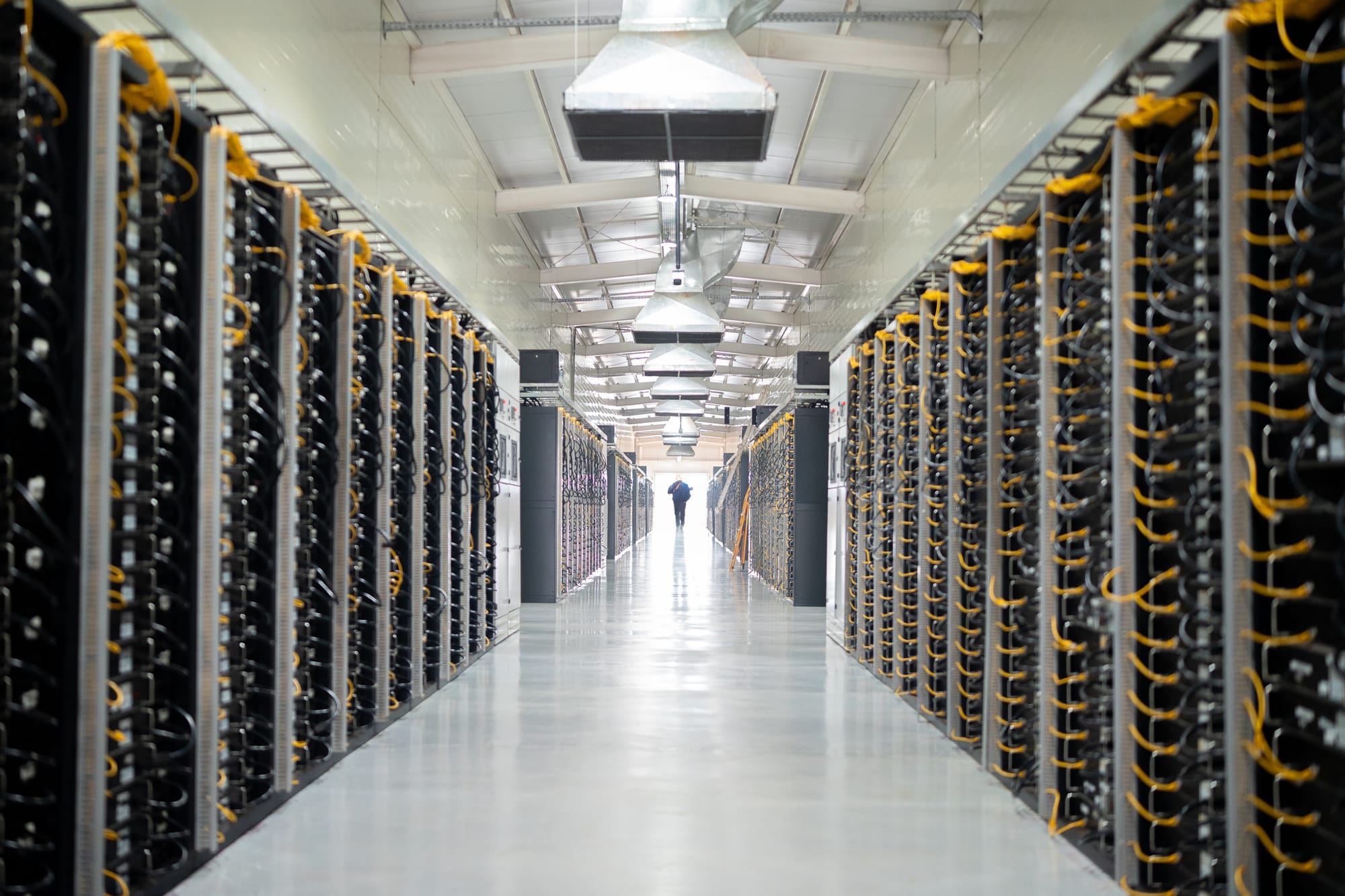
On infrastructure, Penguin's latest 28 MW data center runs at 200 kW per rack with direct-to-chip liquid cooling, a density comparable to a modern Nvidia GPU deployment. The company has five years of proven operational excellence across immersion, hydro, and air-cooled systems. That engineering depth is precisely why Penguin is now making a deliberate AI/HPC pivot.
"For us, as for the country itself, Bitcoin mining was always a means to an end: a way to build world-class infrastructure quickly and position Paraguay as a serious technology hub. We do however believe the Bitcoin mining tariff is no longer sustainable in the medium term. Other places might be better positioned to provide the extremely low energy prices that Bitcoin mining increasingly requires. Penguin is therefore developing opportunities outside of Paraguay and is now fully focused on transforming our Paraguayan infrastructure and operations toward AI compute."
The Paraguayan government recently introduced a new tariff structure specifically for AI and high-performance computing with a 15-year price outlook denominated in USD. For Penguin, which has already overbuilt its infrastructure relative to what Bitcoin mining requires, that signal is a runway, not a pivot.
HIVE Digital Technologies: The Giant in the Room
HIVE Digital Technologies (Nasdaq: HIVE), led by President and CEO Aydin Kilic, is the largest Bitcoin miner in Latin America and one of Luxor's closest partners globally. HIVE's most-recent expansion into Paraguay came through the acquisition of Bitfarms' Yguazu site in January 2025, and the company has since built out a footprint that dwarfs every other operator in the country.
HIVE operates two sites in Paraguay: Yguazu and Valenzuela.
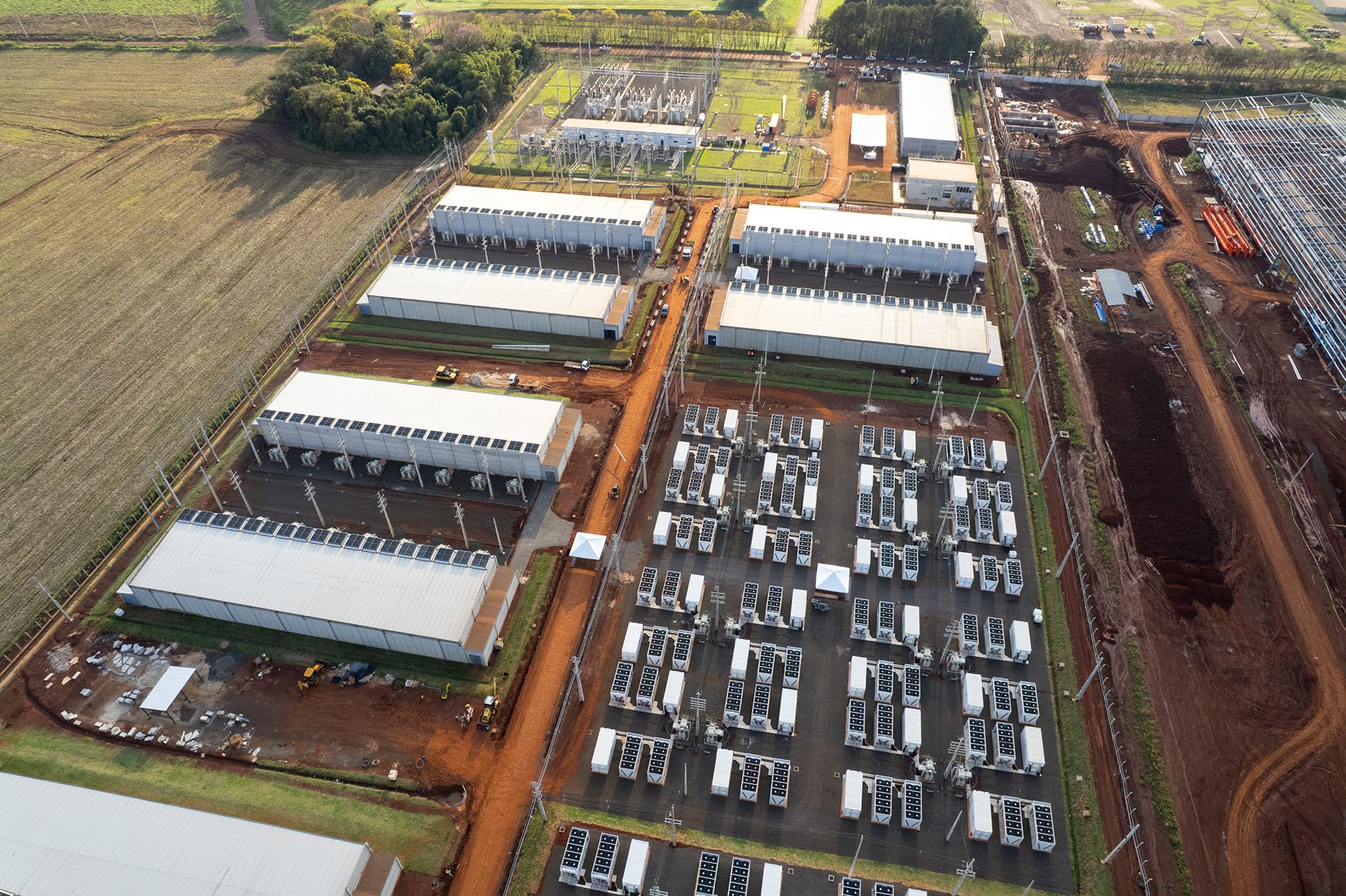
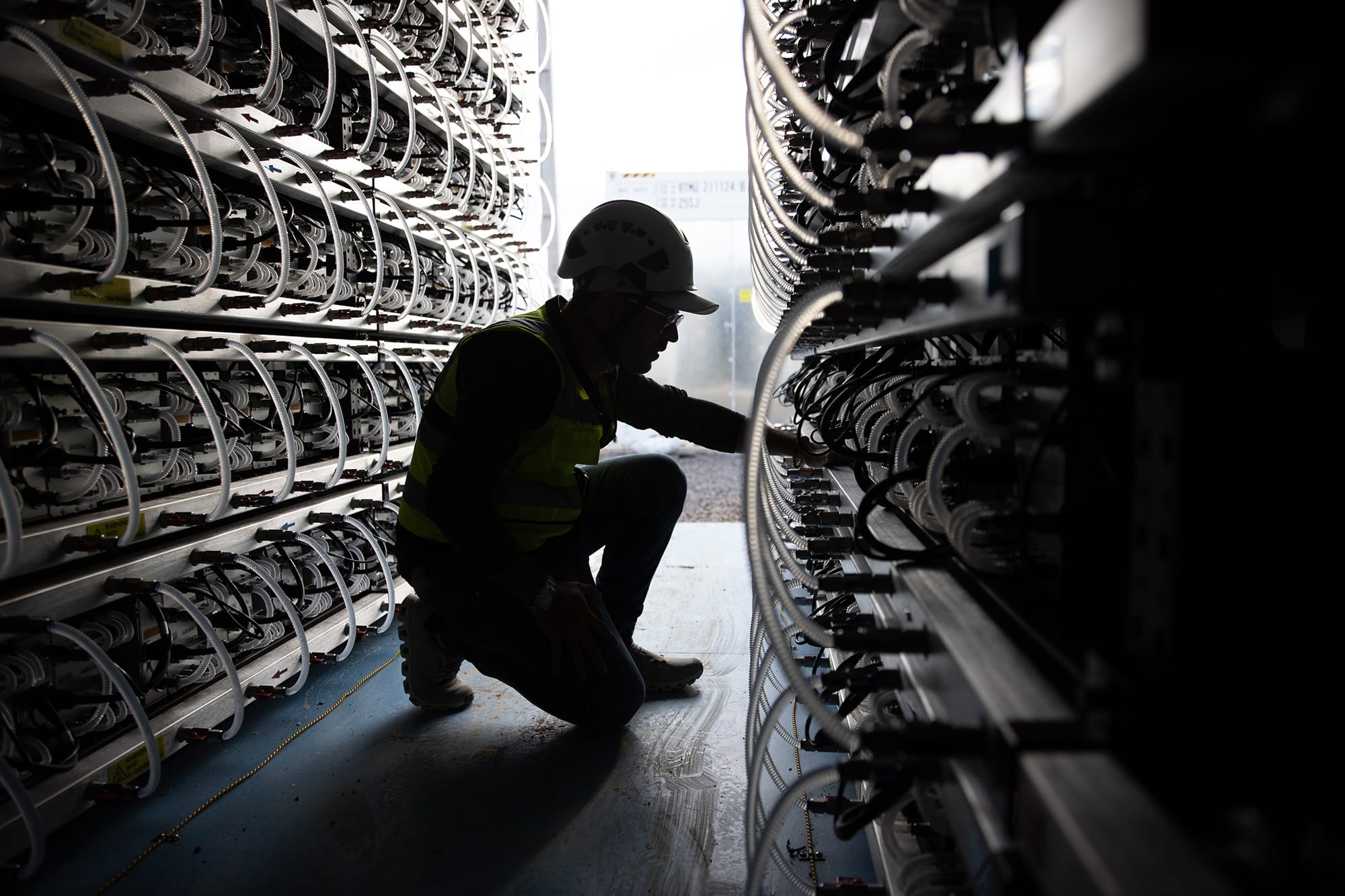
HIVE's fleet composition across sites reflects a deliberate hardware strategy. At Yguazu, HIVE runs a mixed cooling architecture: 56.4% air-cooled (Avalon A15, BuzzMiner, S21 XP, and predominantly Antminer S21+) deployed during Phase 1, and 43.6% liquid-cooled (Antminer S21+ Hydro units) deployed during Phase 2. Valenzuela is 100% liquid-cooled and equipped with Antminer S21+ Hydro units throughout.
Power is supplied through Paraguay's National Interconnected System (SIN), fed primarily by Itaipu, Yacyreta, and Acaray. HIVE operates under a fixed-rate tariff structure within the GCIE regulatory framework for energy-intensive industries.
On curtailment, HIVE's approach reflects a mature grid relationship. In the event of a load reduction request from ANDE, power is promptly adjusted to the requested levels, and at month-end a joint reconciliation is carried out between ANDE and HIVE operators to validate the total curtailed energy during those events. This is exactly the dispatchable load flexibility that ANDE values and that makes large-scale miners a net positive for the Paraguayan grid, not a strain on it.
HIVE's combined Paraguay hashrate of 18.87 EH/s makes it one of the largest single contributors to global hashrate from a single country outside of the United States. With Phase 3 expansion at Yguazu currently under construction, the company's Paraguay footprint is on a path to 400 MW total installed capacity, a scale that very few mining operations anywhere in the world have reached.
The AI Pivot: Real Opportunity or Political Cover?
The looming question over Paraguay's Bitcoin mining sector is Artificial Intelligence (AI). ANDE has made no secret of its desire to attract Tier III HPC and AI data centers, signing MOUs with international cloud providers to allocate hundreds of megawatts.
Operators who have spent years on the ground remain divided. AI data centers require near-perfect uptime, massive bandwidth, and above all, exceptional cooling capabilities. Paraguay is one of the hottest countries on earth, with summer temperatures routinely peaking at around 48°C.
For many mining veterans, the AI pivot announcements feel more like political positioning designed to justify long-term contract renewals to the Paraguayan public than an immediate logistical reality. Cooling dense GPU clusters in 48-degree heat, coupled with the complexity of laying adequate fiber optic networks via local telecom providers, presents physical challenges that Bitcoin ASICs (which can be seamlessly curtailed or underclocked) simply do not face.
Penguin and HIVE's position is the most credible counterpoint. Having already built liquid-cooled infrastructure running at 200 kW per rack, these operators are not speculating about AI, they are already there.
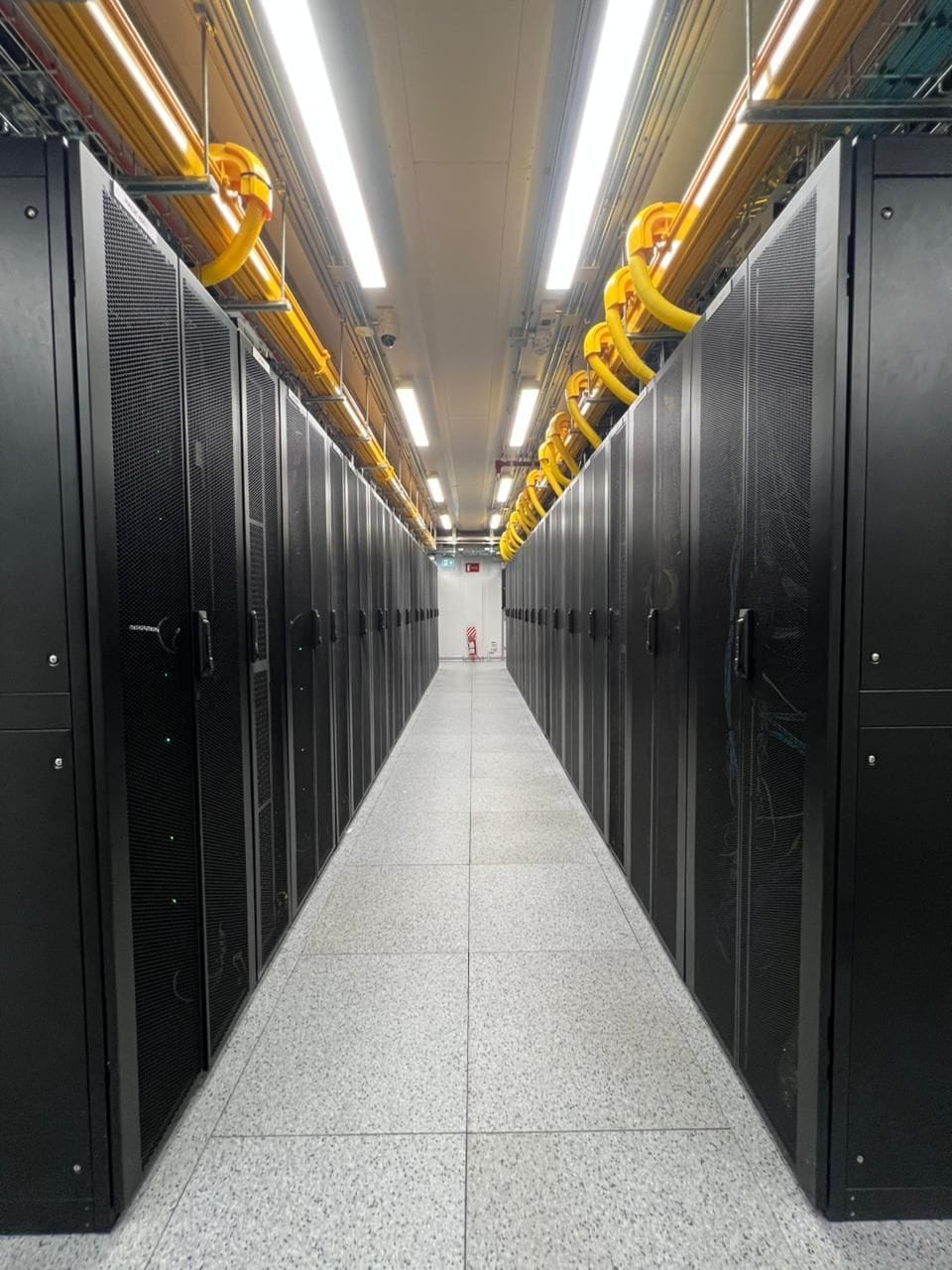
The question is whether other operators, and ANDE itself, can build the ecosystem conditions that turn the trend into a national industry.
Venezuela: The Dormant Competitor Paraguay Never Had to Face
There is a country 3,000 kilometers northeast of Asuncion with a Caroní River hydroelectric cascade capable of generating 16,000 MW; Venezuela. The country has more than twice Paraguay's entire surplus energy, and it has been effectively absent from the global Bitcoin mining industry for the better part of a decade. That absence may end soon though.
Venezuela has 34 GW of nominal installed capacity on paper (12-14 GW actually dispatchable), and a transmission bottleneck in the Bajo Caroní basin that prevents roughly 7,500 MW of generated hydroelectric power from ever reaching a paying customer. That stranded energy – power that exists at the source but cannot move through the grid – is structurally identical to the Itaipu surplus that made Paraguay a global mining hub. The difference is that Paraguay built the infrastructure to monetize it. Venezuela has not, yet.
The flared gas picture adds another dimension. The Faja del Orinoco, the Maracaibo Basin, and the eastern fields in Monagas and Anzoategui burn approximately 344,000 barrels per day equivalent of associated gas. That is an infrastructure and capital problem. The same modular gas-to-power model that Crusoe Energy runs at US shale basins, and that Unblock is running at Vaca Muerta in Argentina, applies here at a scale that has no parallel in the hemisphere.
What has kept Venezuela dormant is not its energy. It is the regulatory and political environment that has made it impossible for private capital, particularly American private capital, to enter. That barrier is not as absolute as it was.
OFAC General Licenses 48A and 49A are already issued, authorizing American companies to operate in Venezuela's energy sector. Siemens and General Electric (GE) hold specific OFAC licenses for grid maintenance work. Arc Energy, the US fund that acquired IMPSA, is actively lobbying for licenses to rehabilitate Tocoma, a 2,160 MW hydroelectric project on the Caroní River that cost an estimated $8.9 billion and was never completed. Their projection: 500 MW operational within 18 months of a license grant, 2,500 MW within five years. The legal template for private capital to enter Venezuela's energy sector with OFAC authorization exists. Bitcoin mining uses the same structure.
For miners currently being squeezed by Paraguay's evolving tariff realities and the 2027 contract cliff, that timeline is worth paying attention to. If Arc Energy's OFAC push succeeds and Tocoma begins rehabilitation, the economics of a Venezuelan deployment start to look like early-stage Paraguay: stranded hydro at near-zero marginal cost, minimal competition for available megawatts, and a government that needs the hard dollar revenue that mining generates.
Paraguay did not have to compete with Venezuela to become the 4th country with the most hashrate globally after the US, Russia, and China. It may not have that advantage indefinitely.
The Bottom Line
Paraguay remains a top-four global Bitcoin mining jurisdiction because the Itaipu Dam's physics cannot be argued with. The energy exists, and it is cheap to produce.
However, the era of easy arbitrage in Paraguay is now permanently closed. The market has matured into a heavy-infrastructure play. If you are an operator willing to build high-tension substations, install liquid cooling at scale, and navigate the bureaucratic corridors of ANDE, the economics still work. HIVE's 18.87 EH/s from two sites and Penguin's 200 kW/rack liquid-cooled campus are both proof of that.
But the December 31, 2027, contract expiration date is the elephant in the room. As that date approaches, the gap between operators who trust the Paraguayan government to renew their PPAs and those who are already diversifying will define the next chapter of Latin America's most important mining hub.
The operators who built real infrastructure, trained local workforces, and integrated themselves into the fabric of the Paraguayan grid have the strongest hand heading into those negotiations. The ones who treated it as an arbitrage play have already left.
— Happy Hashing!
About Luxor Technology Corporation
Luxor delivers hardware, software, and financial services that power the global compute and energy industry. Its product suite spans Bitcoin Mining Pools, ASIC Firmware, Hardware trading, Hashrate Derivatives, Energy services, a Miner Management software, Commander, and a bitcoin mining data platform, Hashrate Index.
Disclaimer
This content is for informational purposes only, you should not construe any such information or other material as legal, investment, financial, or other advice.



Hashrate Index Newsletter
Join the newsletter to receive the latest updates in your inbox.






)